Hanging by a Thread (Politely): A Shopkeeper's Case for Tensegrity Window Displays
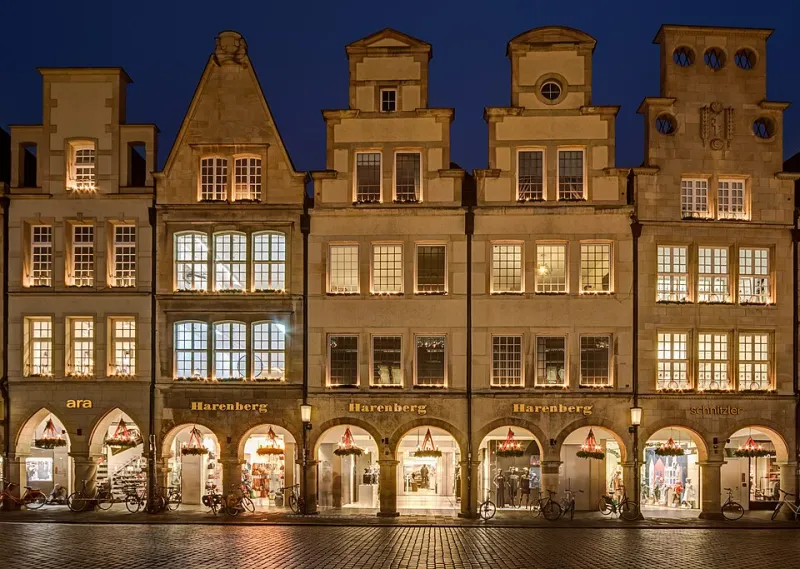
Photo: Dietmar Rabich, CC BY-SA 4.0, via Wikimedia Commons
Walk down any British high street in 2026 and you will see the same window display grammar: a rail of clothes, a stack of books, a bike turned side-on to the glass. It is safe, familiar and almost invisible. The tensegrity display — a shelf or object that appears to hover, held by a web of cables under tension — is none of those things. It stops people. It also asks a retailer to take on a small structural project in public. That is the trade-off worth thinking through before you buy a spool of stainless cable and a packet of eye bolts.
Why a floating window is not just a gimmick
A tensegrity structure works because its rigid pieces never touch. The struts push; the cables pull. Take away the cables and the thing collapses. Add them back and it stands — or rather, it hangs — firm. For a shop window, that gives you a display object that seems to defy the usual rules of shelves and brackets. In a street full of straight lines, that is a useful kind of quiet theatre.
The retailers who will get the most from this are the ones with a story to tell: an independent bookshop with a poetry anthology to push, a bike shop with a featherweight frame, a charity shop with a single beautiful object that deserves more than a shelf. The point is not to turn every window into a science museum. The point is to make one thing feel worth stopping for.
First rule: the glass is a witness, not a wall
The most common mistake in shop-window rigging is treating the glass as a structural anchor. It is not. Window glass is designed to keep weather out and to break safely when it fails. It is not designed to carry the point load of a cable tensioner, a shelf or a curious customer leaning on the frame.
Any tensegrity display should be self-supporting inside the window bay: a freestanding plinth, a ceiling-mounted frame fixed to joists above, or a floor-standing base with its own ballast. The glass should be a boundary you look through, not a component you pull against. If a rigger suggests fixing to the mullions or the glass itself, thank them and find another rigger.
Ceilings, joists and the listed-building question
In many independent shops, the ceiling above the window is a suspended tile grid with almost nothing behind it. That is not an anchor. You need to find the structural joists — usually running front to back or side to side — and fix into those with a proper spreader plate. A builder or a hired rigger can help you locate them; a stud finder and a cautious drill are not enough on their own.
If your shop is in a listed building or a conservation area, the answer may be no drilling at all. In that case, a weighted plinth is your best friend. A steel base filled with sand or water, or a timber box loaded with paving slabs, can carry a surprising amount of tension if it is wide enough and heavy enough. Keep the centre of gravity low and the footprint generous, and treat the whole thing as a piece of furniture that happens to hold a floating object.
The plinth is your friend
A plinth solves three problems at once. It anchors the display without touching the building. It raises the floating object to eye level, where it can do its job. And it gives you somewhere discreet to hide the tensioner, the power supply and the inevitable tangle of spare cable.
For a charity shop or a small bookshop, a simple plywood box painted to match the window backdrop is enough. For a bike shop, a heavier steel base with a bolted-in upright may be better. The key is to calculate the load honestly: a 5 kg object swinging on a metre of cable can produce a surprising pull when someone knocks it. Add a safety factor, and then add a bit more.
Lighting that doesn't fight the strings
Tensegrity displays live or die by their shadows. A single spotlight from above can make the cables disappear and the floating object look like a bad magic trick. A softer, angled light — a small LED panel or a couple of low-voltage spots — will pick out the tension lines and give the display depth.
Keep heat away from the cables and from anything flammable. LEDs are the obvious choice in 2026; they are cheap to run and cool enough to sit close to paper, fabric and paint. If the window gets direct afternoon sun, check that the cables and the display material are UV-stable, or expect a colour shift by spring.
Theft, tamper and the curious thumb
A floating display invites touch. That is part of its charm, and part of its risk. The object should be either genuinely secure or genuinely disposable. If it is a £200 bike frame, bolt it through the plinth and use a security cable. If it is a £15 paperback, accept that someone may lift it and build the display so that a missing item does not bring the whole thing down.
Cable tensioners should be tamper-resistant, or at least hidden. Keep the emergency release accessible from inside the shop, not from the street. And check your public liability insurance before you install: most policies will cover a display like this, but some will ask for a risk assessment and a record of how the structure is anchored.
Does it actually bring people in?
Honest answer: sometimes. A striking window will not fix a bad shop, but it can buy you a second look. In streets where every window looks the same, a floating object gives pedestrians a reason to slow down. That is worth something, especially for independents who cannot compete on price or scale.
The retailers who report the best results are the ones who change the display regularly and tell the story behind it. A small card — 'This shelf is held by tension alone; ask us how' — turns a visual trick into a conversation. That conversation is the real return on investment.
A short checklist before you drill anything
- Confirm what the display is anchored to, and get a second opinion if it is not a structural joist or a weighted base.
- Keep the glass out of the load path.
- Calculate the pull, add a safety factor, and test with weights before you hang anything valuable.
- Hide the tensioners, but keep them adjustable.
- Use LED lighting and keep heat away from cables.
- Check insurance, landlord permission and any listed-building constraints.
- Decide what happens when someone touches, knocks or tries to steal the display.
The honest verdict
A tensegrity window display is not a cheap trick, and it is not a structural gamble if you treat it properly. It is a small, visible piece of engineering — the same push-and-pull that keeps a mast up or a sculpture standing — brought into the most public room a shop has. Get the anchoring right, keep the glass innocent, and give the thing a story. The high street could do with more windows that make people stop and look up.